Buy One Ticket, Then Walk Home in the Dark
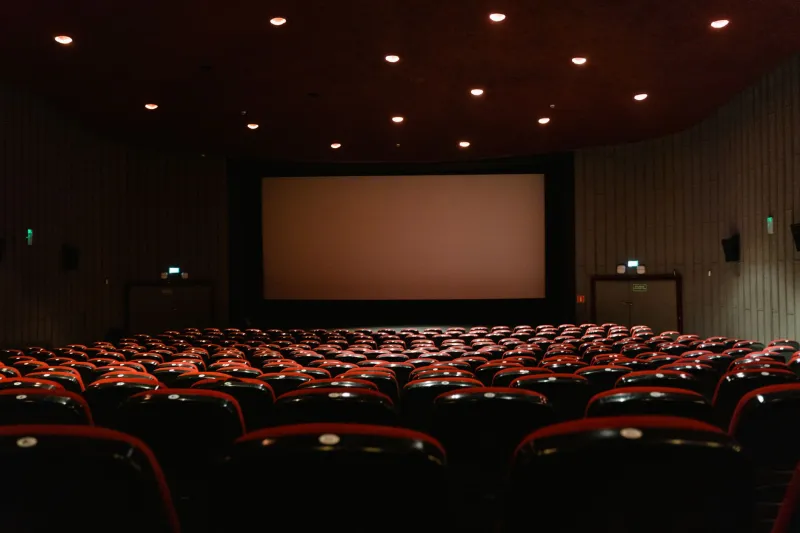
There is a particular kind of tiredness that comes from choosing. Forty minutes of thumb-work, three trailers, two false starts, a documentary about a man you'll never think about again — and that's before the film has even begun. A weekend away should not reproduce the conditions of a Tuesday night on the sofa. Which is why the best thing about Hay's little cinema isn't the seats or the sound. It's that there is only one screen, one showing, and nothing whatsoever to decide.
You buy a ticket. You sit down. Someone stands up and tells you when the interval is. And for two hours you are simply a person in a dark room in a small town on the Welsh border, which is, it turns out, an underrated way to spend an evening.
One Screen Is a Discipline, Not a Deprivation
We are trained to read a single screen as a limitation. In practice it's closer to a gift. The programme is short, so it's been chosen by a human being rather than an algorithm. You'll see things a multiplex wouldn't touch — a Polish animation, a restored Sixties drama, a documentary about hedgerows that turns out to be devastating. You won't have a second option to fall back on, so you pay attention.
The room itself is small enough that the film feels like it's happening in the same space as you. There's no queue for the loo, no corridor smelling of nachos, no eighteen minutes of adverts for cars you can't afford. Somebody hands you a paper ticket, possibly with a raffle number on the back, and you feel briefly like a citizen of somewhere rather than a customer of something.
If you're coming from a city, give yourself ten minutes to adjust. The fidgeting passes.
In Praise of the Interval
Here is the argument, plainly: the interval is the whole point.
Stopping a film halfway is a small act of civil disobedience against the idea that stories should be binged, finished, ticked off. The lights come up. Nobody immediately reaches for a phone, because there's no signal and, more importantly, no reason. You talk. You say something half-formed about the scene that just ended. The person next to you disagrees. A stranger two rows back joins in, and for four minutes you are having a conversation about cinema with someone you will never meet again.
Then there's the practical business of the interval: a cup of tea, a slice of something, an ice cream from a little tub with a wooden spoon that's slightly too big. It is not gourmet. It is perfect.
When the film restarts you're more awake, not less. You've had a break, a think, a small social exchange. You go back in with your attention renewed rather than frayed — which is more than can be said for the third episode of anything.
Supper First, Then the Dark
A slow weekend around a screening wants a table booked early. Not a tasting menu, not a two-hour affair that leaves you checking your watch into the starters. Something unfussy, in and out by half six, with enough time left to walk rather than rush.
Book somewhere a road or two back from the main drag — Hay's centre is compact, and the pleasure of the evening is in the walking between things. Order the pie, or the fish, or whatever's on the board. Have one drink, not three. Finish with a coffee somewhere else, or standing up.
The rhythm you're aiming for is generous but not tight: eat, wander a bookshop still open, drift to the cinema, take your seat with five minutes to spare. If you arrive flustered you've done it wrong. This is the Welsh borders; nobody is going to lock you out for being late, but the whole point is to not be.
Three Beds Within Reach of the Screen
The trick with a cinema weekend is to stay close enough that the walk home is part of the evening rather than an Uber you'll spend ten minutes trying to summon.
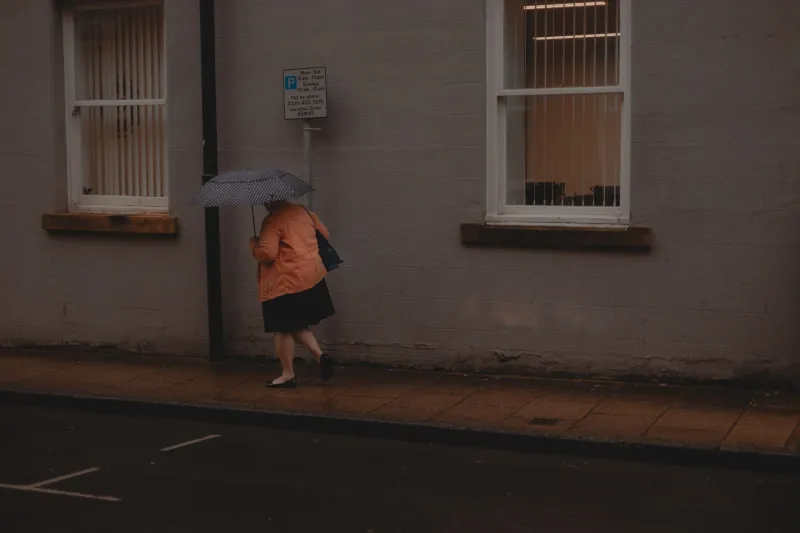
- A room above the shopfronts. Central, slightly creaky, brilliant in the rain — you're back at the door in four minutes flat. Best for a single night, or for anyone who wants the town rather than the countryside.
- The converted chapel over the bridge. Stone, high windows, a woodburner someone has thoughtfully over-specified. A fifteen-minute walk in, torch advised, coat necessary. Best for a two-night stay with a slow Sunday attached.
- A shepherd's hut on the slope above Glasbury. Farther out — you'll want the car for this one, or strong legs and a decent plan — but the reward is a dark sky so complete that the car headlights feel rude.
Whichever you pick, the rule holds: stay the second night. One night and you're just passing through. Two and the town starts to recognise you.
The Walk Back Is Half the Film
Leaving a cinema into a lit car park is a flat ending. Leaving into a dark lane is not.
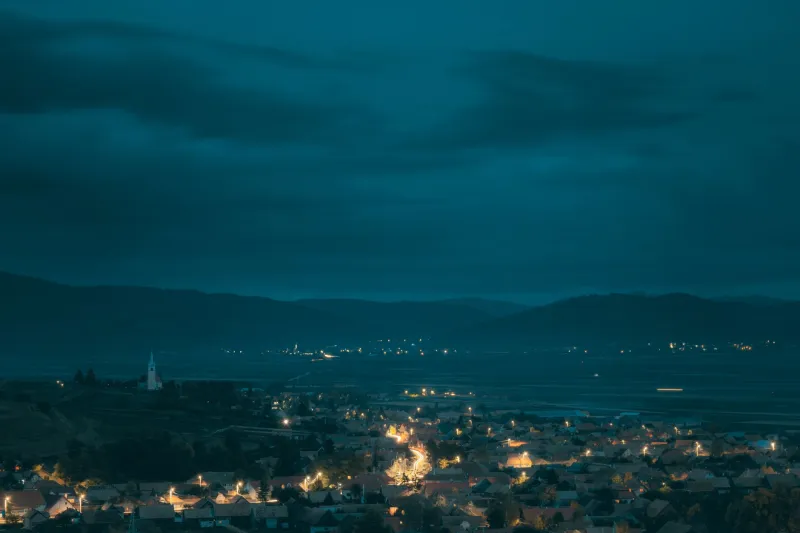
Out you come, blinking, with the film still talking in your head. The town is shut. The hill above the rooftops is black. You can hear the river if you stop walking. Your eyes adjust slowly, and by the time you reach the gate the plot has rearranged itself into something that makes sense — or into something you'll be arguing about over breakfast.
This is the part the streaming services cannot sell you: the twenty minutes after. The cooling air, the unlit stretch, the fact that nobody is going to interrupt with a notification. Two people walking home from one film, discussing it properly, because there is nothing else to do and nowhere else to be.
A Short Blueprint
Saturday: arrive early afternoon, walk the bookshops without buying anything yet, take a table at half five, take your seat at seven. Sit through the interval without checking your phone. Walk home the long way, or the short way slowly. Sunday: breakfast late, buy the book you were thinking about, drive home before the light goes.
That's it. One screen. One ticket. One walk in the dark. It's enough — more than enough, actually, for a weekend that's supposed to be about doing less.