The First Useful Hour: Three Border Stays Where Breakfast Follows the Feed
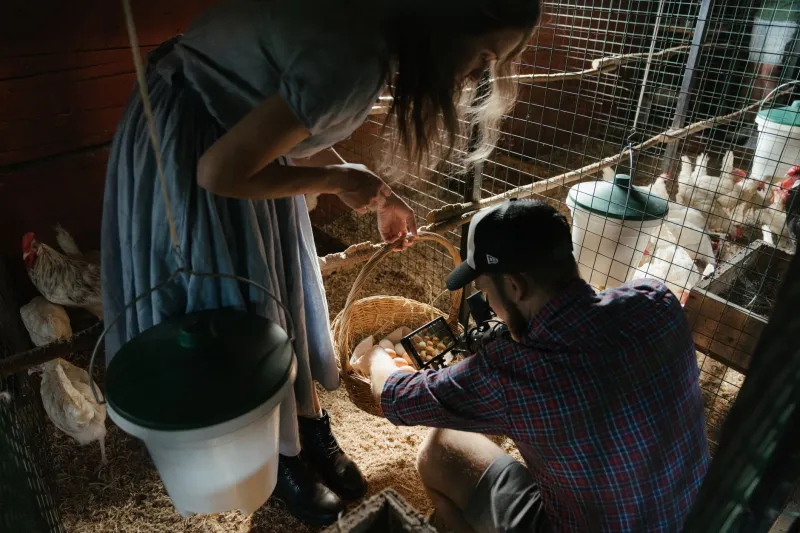
Most weekend breaks are built around the idea of doing less. No alarm, no inbox, no decisions beyond whether to have a second pot of coffee. Lovely. But there is a particular kind of stillness that only arrives after you have done one small, useful thing with your hands — filled a water trough, latched a gate, collected a still-warm egg — and then been told to go and sit down.
That is the appeal of the gentle farm stay, done properly. Not a full day of mucking out, not a petting zoo with a rota, and definitely not a team-building exercise in wellies. Just one chore before breakfast. Twenty minutes, maybe half an hour. Enough to make you feel like a guest who has been useful rather than a customer who has been entertained.
Around Hay-on-Wye, there are small farms and smallholdings that understand this distinction. They are not trying to turn you into a farmer. They are simply letting you join the bit of the morning that matters, then sending you back to the kettle.
Why one chore changes the day
There is a reason so many slow weekends fall apart by 11am. Without a shape, the day becomes a series of small negotiations with yourself. Should we go out? Should we stay? Is it too early for lunch? A morning feed cuts through all that. You get up because something is waiting. You go outside because someone is expecting you. And by the time you sit down to breakfast, the day already has a spine.
It also does something quietly useful to conversation. There is only so much gazing into each other's eyes a couple can manage over sourdough. But hand two people a bucket of feed and a gate that needs closing, and you get the sort of easy, unforced chat that no boutique hotel can manufacture.
The key is keeping it small. A single task, clearly explained, with no expectation that you will become best friends with the livestock. You are there to help, not to perform.
Three places to get your hands dirty before breakfast
Nant-y-Gaer, above Llanigon
A fifteen-minute drive from Hay, up a lane that narrows politely and then narrows again, this stone-built smallholding keeps things deliberately simple. Guests in the converted barn are offered the chance to join the morning round at eight: eggs from a frankly overachieving flock, water for the sheep, and a quick check that the gate to the upper field is still doing its job.
It is not a guided tour. You are handed a bucket, shown which latch sticks, and left to get on with it while the owner gets on with something else. That sounds abrupt written down, but it is exactly the point. You are trusted to be useful. Breakfast afterwards is taken in the barn kitchen — proper bacon, eggs from the same morning, bread from the freezer that somehow tastes better than it has any right to.
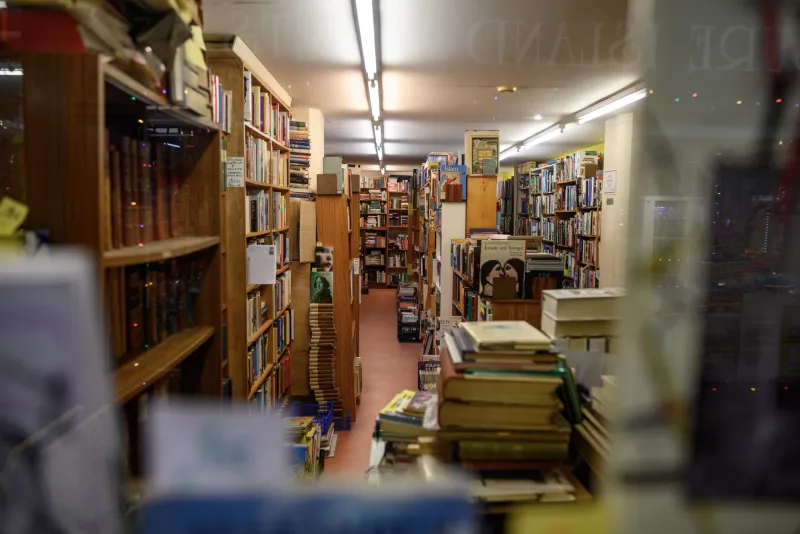
The lane back to Hay is steep enough to make you feel virtuous, and the bookshops are ten minutes away when you are ready.
Pentre Bach, near Glasbury
Closer to the Wye, and a little more organised, Pentre Bach runs a smallholding with ducks, a few pigs, and a vegetable patch that looks chaotic until you realise it is being managed with great precision. The morning job here is split in two: eggs and duck feed first, then a walk down to the river field to check the water trough.
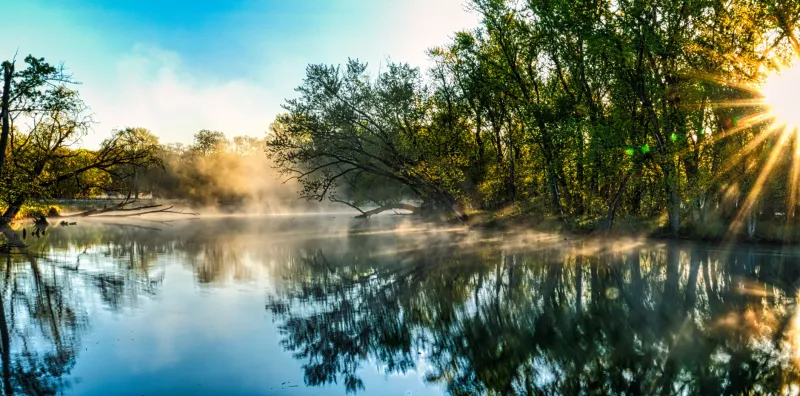
What makes it work is the timing. You are out for perhaps forty minutes, but it never feels like a schedule. The ducks make their own arrangements. The pigs are enthusiastic but not demanding. And the walk to the river, with the mist still sitting in the valley, is the sort of thing you would pay good money to do on a normal weekend and then forget to actually do.
Breakfast is served late by farm standards — nine-ish — and is the full border affair: local sausages, mushrooms, and a pot of tea that keeps giving.
The Fold at Cusop
This one is for anyone who wants their small chore to come with a view. The Fold sits on the edge of the Black Mountains, and the morning feed involves walking a bucket up to the hill sheep with the owner's collie trailing along as if it is all a bit beneath him.
You will not be rounding up anything. You will be opening a gate, filling a trough, and counting roughly enough sheep to satisfy yourself that nothing has gone wandering. The walk takes about twenty minutes up and twenty back down, and by the time you return, the kitchen smells of coffee and something baking.
It is the most physically involved of the three, which is either a selling point or a warning depending on how you feel about hills before breakfast. The reward is a table with a view over the valley and the distinct impression that you have earned your first cup of tea.
What to know before you book
Ask what the morning job actually involves before you commit. "Help with the animals" can mean anything from scattering a bit of corn to wrestling a bale of hay, and you want to know which one you are signing up for. These places are generally honest about it, but it is worth a quick email.
Bring boots you do not love. The lane at Nant-y-Gaer holds water. The river field at Pentre Bach is soft at the best of times. The Fold's hill path is not a pavement. Nobody will judge you for wearing wellies to breakfast, but they will judge you if you track mud through the kitchen.
Do not book this if you are hoping for a lie-in. The morning feed is the point, and the point tends to happen at eight. If you want a weekend of pure sloth, there are plenty of places for that too — but this is not one of them.
And book direct if you can. Smallholdings run on conversation, and an email asking whether the feed is suitable for a seven-year-old or a nervous adult will get you a better answer than a booking platform ever will.
The rest of the day, incidentally, takes care of itself. After a morning feed, a proper breakfast, and a bit of fresh air, even the most ambitious plans tend to dissolve into a walk, a pub, and an early night. Which is exactly what a slow weekend in the borders is for.