Sleeping on the Seam: Three Border Stays Where the Map Goes Quiet
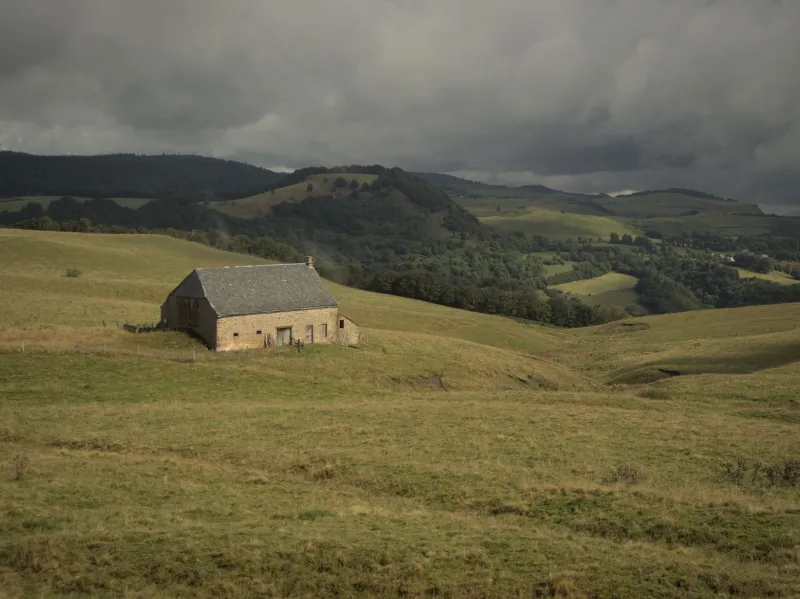
The border between England and Wales is easy to cross and hard to notice. You drive over it without slowing, and only the road sign gives the game away: English on one line, Welsh on the next, a place name that changes its spelling depending on which way you are facing. But stay on the border for a weekend and it stops being an administrative detail. It becomes a landscape of banks and ditches, boundary stones and old pubs, a seam in the country that is worth sleeping on.
Offa's Dyke is the obvious marker. The eighth-century earthwork runs roughly north to south, and the path that follows it is one of the best long-distance walks in Britain. You do not have to walk the whole thing. You just need a base close enough to touch it, a short walk that crosses the line and back, and an evening in a pub where the accents change from one table to the next.
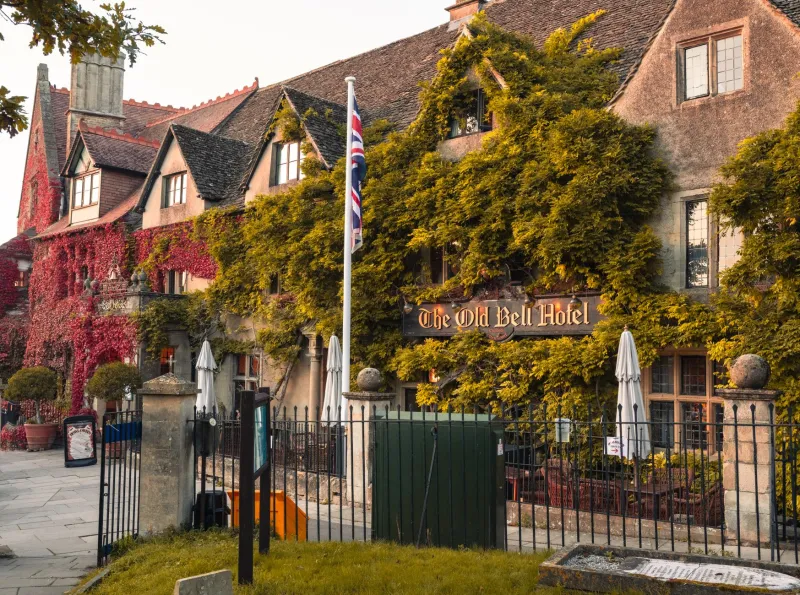
These three stays are not secret in the way of a bothy with no postcode. They are hidden in plain sight: old inns with low ceilings, back bedrooms and front doors that open onto border country. Each is within a stone's throw of the Dyke and each gives you a reason to walk across a border for the sake of it.
The Old Black Lion, Hay-on-Wye: A Bridge, a Bookshop, a Border
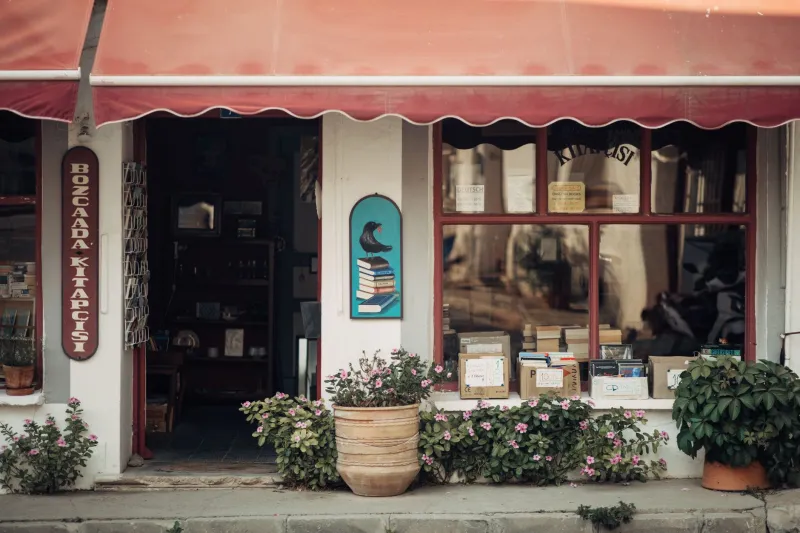
Hay-on-Wye is often treated as a Welsh book town with an English hinterland. The Old Black Lion sits at the edge of the centre, a creaky, low-ceilinged inn with a fire in the bar and rooms that feel older than the phrase 'boutique' allows. It is the kind of place where you drop your bag, go out for a look at the castle and come back an hour later having bought three books you did not know you needed.
The border walk is simple. Head out of town towards Cusop and you cross from Powys into Herefordshire without ceremony. Cusop is a small, quiet place, and the lane back into Hay gives you the odd sensation of leaving Wales and returning to it within the space of a short stroll. Look for the bilingual signs on the way out and the boundary markers on the way back. It is a small ritual, but it changes how you read the map.
For a longer leg, pick up the Offa's Dyke Path where it passes near Hay and follow it uphill for a mile or so. The views back over the town and the Wye Valley are worth the climb. Then return to the Old Black Lion, order something slow-cooked and let the border do its quiet work on you.
The George and Dragon, Knighton: The Dyke at the End of the Street
Knighton is a border town in the proper sense. The Dyke runs through the edge of it, the Offa's Dyke Centre sits nearby, and the streets have that slightly folded feel of a place that has spent centuries being neither entirely here nor there. The George and Dragon is a solid old pub with rooms, the sort of place where walkers and locals share the same bar without either group making a fuss about it.
From the door, you can be on the Dyke Path within minutes. Follow it east and you cross from Powys into Shropshire, from Wales into England, over a stile and through a gate. The earthwork itself is a grassy bank in places and a dramatic ditch in others. In late autumn, with the leaves off the hedges, the line is easier to see. Boundary stones appear where you least expect them. You cross, you turn around, you cross back.
That is the whole point of a border stay. You are not trying to get anywhere. You are trying to notice the line. Back in Knighton, the George and Dragon does dinner and a bed, and the Dyke is still there in the morning, waiting for a second look.
The Hand Hotel, Chirk: Bilingual Signs and a Canal Crossing
Chirk is a border town with a canal habit. The Hand Hotel is an old coaching inn, comfortable rather than flashy, with rooms that make a good base for walking the Dyke in short, manageable bites. The town itself is full of small border signals: bilingual road signs, Welsh place names on one side and English on the other, a castle on the hill and a canal that slips under the A5.
Walk from the hotel to Chirk Aqueduct and you get a crossing that feels more dramatic than the map suggests. The canal runs high above the Ceiriog Valley, and the border is close enough to feel like a presence rather than a line. Follow the towpath, then pick up the lanes and footpaths that link to Offa's Dyke Path. You can cross into England and back in an afternoon, with time left for tea and a look at the castle.
The Hand is not a secret. But it is a good hidden stay in the way that matters: you can walk out of the front door, follow a canal and a dyke, cross a border and come back to a warm room without ever getting in the car.
The small rituals of sleeping on the edge
Sleeping on the border changes the texture of a weekend. You notice the boundary stones. You notice the pub signs that say one thing in Welsh and another in English. You notice how quickly the landscape changes from one side to the other, and how little it actually cares about the line. The border is not a wall. It is a conversation, and these old inns are the places where it is easiest to listen in.
In November 2026, with the hedges bare and the evenings long, that feels like exactly the right sort of escape. Book a room near the Dyke, pack a coat, and walk across the border for the sake of it. You will be back before dark, and the pub will be warm.